General Flooring Options Explained: Hardwood, Vinyl, Laminate, and Carpet
People seeking flooring installation often want expert help to properly install hardwood, vinyl, laminate, or carpet, and local contractors can ensure a professional, lasting result.
Understanding the different types of flooring options available is an important step for property owners considering a renovation or upgrade. Whether aiming to enhance the aesthetic appeal, improve durability, or select a flooring solution that fits practical needs, exploring options like hardwood, vinyl, laminate, and carpet can help make informed decisions. For those in the area, local contractors specializing in flooring installation can provide valuable insights and tailored recommendations to ensure the chosen material aligns with the space’s function and style.
As property owners delve into general flooring options explained: hardwood, vinyl, laminate, and carpet, they often discover that professional installation plays a key role in achieving the desired results. Skilled service providers understand the nuances of each material, including installation techniques and best practices, which can impact the longevity and appearance of the flooring. Keeping this in mind can help homeowners and business owners find the right local contractors to handle the project efficiently and effectively.
- Hardwood flooring installation may be needed when upgrading a home’s interior for a classic, durable look, and local contractors typically prepare the subfloor and ensure proper finishing. Vinyl flooring installation is suitable for areas prone to moisture or heavy use, with service providers focusing on precise measurements and seamless adhesion. Laminate flooring installation is a popular choice for those seeking a cost-effective, easy-to-maintain option, with local pros handling the click-lock installation method. Carpet installation is often requested for bedrooms or living spaces to add comfort, and local service providers focus on proper padding and secure fitting.
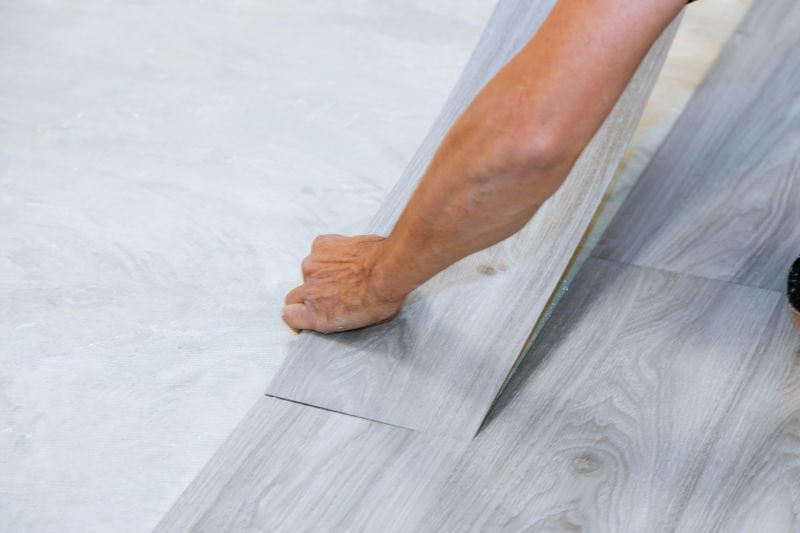
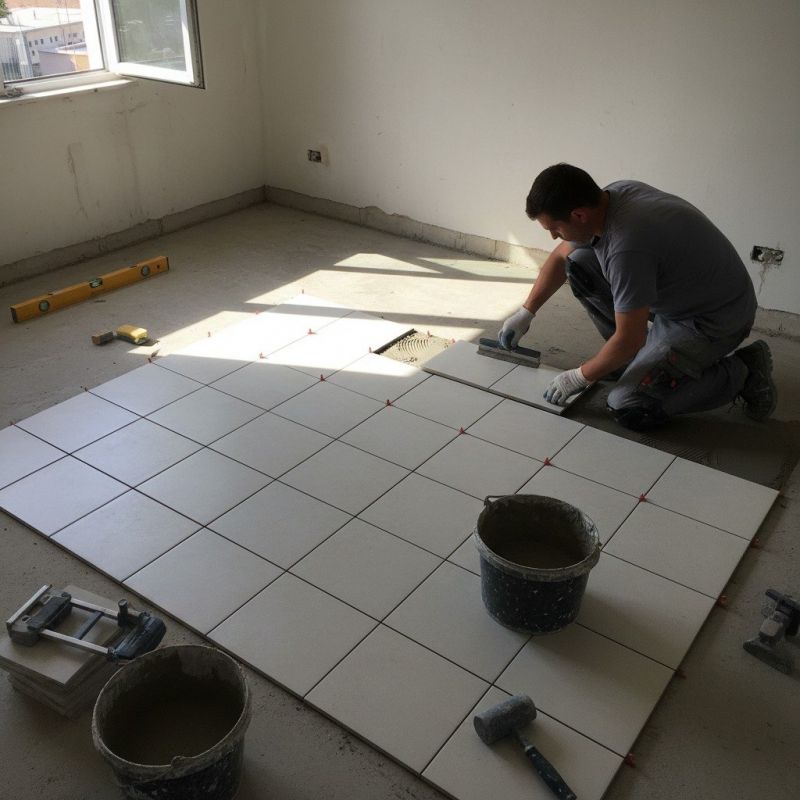
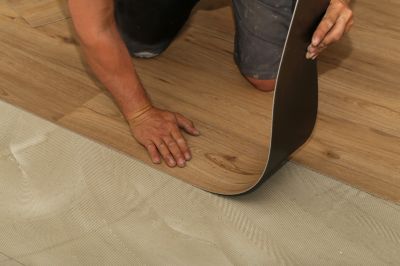
When exploring general flooring options explained: hardwood, vinyl, laminate, and carpet, many homeowners are seeking to understand the differences in materials, styles, and suitability for their specific spaces. This topic often comes up during planning stages of home renovations, remodeling projects, or new property builds. People searching for this information are typically trying to identify flooring solutions that match their aesthetic preferences, durability needs, and budget considerations. They may also be considering how different flooring types impact the overall look of a room, ease of maintenance, and long-term performance, which influences their decision-making process. Connecting with local contractors who specialize in flooring installation can help clarify these options and ensure the chosen material aligns with the property's unique requirements.
The kinds of problems or plans related to general flooring options explained: hardwood, vinyl, laminate, and carpet often involve updating outdated or damaged flooring, enhancing the visual appeal of a space, or improving comfort and insulation. For example, homeowners with high-traffic areas might look for durable options like vinyl or laminate, while those seeking a warm, cozy feel might lean toward carpet. Renovation projects may also involve matching new flooring with existing design elements or creating a specific style theme. Whether planning a full room makeover or simply replacing worn-out flooring, understanding the characteristics of each type helps property owners make informed choices. Local flooring service providers play a key role in helping navigate these decisions and delivering professional installation.
The types of properties that typically come up when discussing general flooring options include residential homes, apartments, condos, and small commercial spaces. In single-family houses, choices often depend on room function, foot traffic, and personal style preferences. Apartments and condos may prioritize flooring that is easy to maintain and install without extensive modifications. Commercial properties, such as offices or retail spaces, often require more durable, long-lasting options suited to higher usage. Each property type presents unique considerations, which is why consulting with local flooring contractors can provide valuable insights. These professionals can recommend the best flooring solutions based on the property's layout, use, and the homeowner’s or business owner’s goals, ensuring a practical and attractive result.
Understanding the differences between hardwood, vinyl, laminate, and carpet is essential for making the right choice for any property. Hardwood offers a timeless, elegant look but may require more maintenance and care. Vinyl provides water resistance and versatility, making it suitable for kitchens and bathrooms. Laminate mimics the appearance of hardwood or stone at a lower cost and can be easier to install. Carpet adds warmth and comfort, ideal for bedrooms and living areas. Each material has its advantages and limitations, and local flooring installation professionals can help evaluate the specific needs of a space. By working with experienced service providers, property owners can ensure the selected flooring type not only enhances the property's appearance but also meets practical demands for durability and maintenance.
Flooring removal and preparation - preparing existing surfaces for new flooring installations shares skills with general flooring options explained, ensuring a smooth and durable finish.
Subfloor assessment and repair - evaluating and fixing subfloor conditions is essential for proper installation of hardwood, vinyl, laminate, and carpet flooring.
Underlayment installation - applying underlayment layers is a common step that enhances comfort and longevity across various flooring types discussed in the topic.
Surface leveling and smoothing - achieving a flat, even surface is crucial for the success of flooring options like laminate and vinyl, requiring similar planning and tools.
Measuring and layout planning - precise measurements and layout design are fundamental skills that help ensure flooring fits correctly and looks professional.
Material handling and site cleanup - managing flooring materials and maintaining a tidy workspace are part of the installation process that local contractors routinely perform.

When comparing local contractors for flooring installation, it is important to consider their experience with similar projects involving different flooring options such as hardwood, vinyl, laminate, and carpet. Contractors with a proven track record in handling a variety of flooring types can better understand the nuances of each material, ensuring the chosen flooring is installed correctly and performs well over time. Asking for examples of past work or references related to similar projects can provide insight into their expertise and reliability, helping to ensure that the selected service providers are well-versed in the specific requirements of each flooring type.
Clear communication about expectations is crucial when working with local service providers. Homeowners should seek out contractors who can provide detailed explanations of the installation process, including preparation, materials used, and finishing details. Transparent dialogue helps prevent misunderstandings and sets a foundation for a smooth project, making it easier to address questions or concerns as they arise. Good communication also reflects a contractor’s professionalism and commitment to customer satisfaction, which can be a valuable indicator of their overall approach to quality work.
Reputable references and positive feedback from previous clients can serve as a useful guide when evaluating local contractors for flooring installation. Homeowners are encouraged to inquire about the experiences of others who have had similar flooring projects completed. A contractor with a history of satisfied clients and consistent quality work is more likely to deliver a successful outcome. Additionally, choosing service providers who demonstrate strong communication skills and responsiveness can help ensure that the project progresses smoothly and that any issues are addressed promptly, making the entire process more manageable and less stressful.
Property owners often search for general flooring options explained: hardwood, vinyl, laminate, and carpet when they are planning practical projects around their homes and businesses. Local pros provide Flooring Installation services for everyday jobs and straightforward project options.
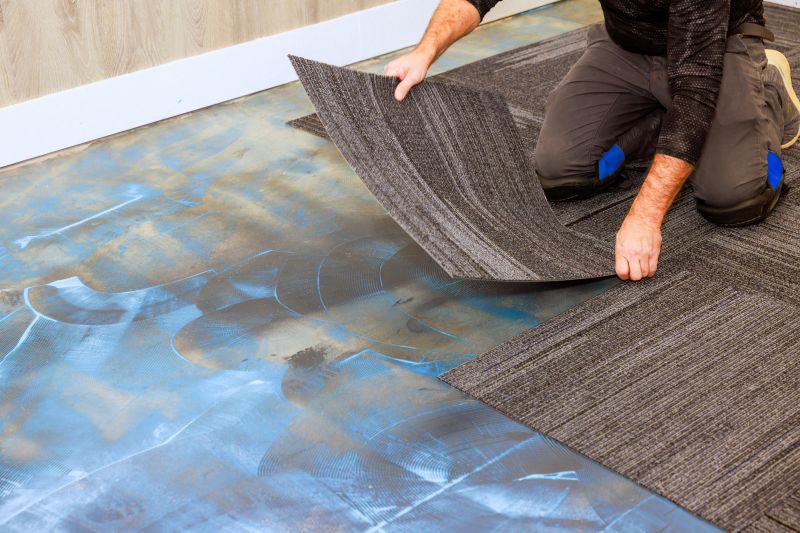
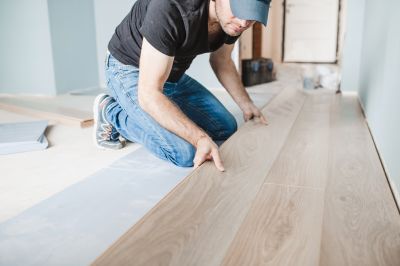
Understanding the different types of flooring options, such as hardwood, vinyl, laminate, and carpet, is a common consideration for property owners planning renovations or new installations. Each option offers distinct benefits suited to various needs-hardwood provides a classic, durable surface ideal for living areas, while vinyl is known for its water resistance and affordability, making it popular in kitchens and bathrooms. Laminate flooring can mimic the look of wood or stone at a lower cost, and carpet remains a preferred choice for bedrooms and cozy spaces due to its softness and insulation qualities. When exploring these options, property owners often seek guidance on which material best fits their lifestyle, aesthetic preferences, and the specific demands of their space.
For those looking to install or upgrade their flooring, connecting with experienced local contractors can help ensure the right choice is made and properly installed. These service providers can advise on the suitability of different flooring types based on the room’s use, traffic levels, and maintenance needs. Proper installation by local pros not only enhances the longevity and appearance of the flooring but also ensures the project aligns with the property’s overall style. Whether opting for hardwood, vinyl, laminate, or carpet, property owners can find local specialists who are equipped to handle the installation process efficiently and to high standards.
What are the main differences between hardwood, vinyl, laminate, and carpet flooring? The main differences involve material composition, appearance, durability, and maintenance. Hardwood offers natural beauty and can be refinished, vinyl is water-resistant and versatile, laminate provides a cost-effective, durable surface, and carpet adds softness and warmth. Local contractors can help determine which option best suits specific needs and preferences.
How does installation vary among these flooring types? Installation methods differ based on material; hardwood often requires precise nailing or gluing, vinyl can be glued or floated, laminate is usually a floating floor system, and carpet involves stretching or adhesive installation. Local service providers have the experience to handle the specific installation requirements of each flooring type.
Are some flooring options more suitable for high-traffic areas? Yes, laminate and vinyl tend to be more resistant to wear and scratches, making them suitable for high-traffic spaces. Hardwood can also be durable but may require more maintenance, while carpet is generally less resistant to heavy use. Local pros can advise on the best choice for specific areas.
Can these flooring options be installed over existing floors? Many of these options can be installed over existing floors if the surface is level and in good condition. Vinyl and laminate often float over existing surfaces, while hardwood may require removal or preparation. Carpet typically needs to be removed first. Local contractors can evaluate the current flooring and recommend suitable options.
What are the main considerations when choosing between these flooring types? Consider factors like durability, appearance, comfort, maintenance, and suitability for the space. Local pros can help assess the environment and provide guidance on which flooring option aligns with specific needs and lifestyle requirements.
Hardwood flooring installation can enhance the elegance of living rooms or dining areas, with local contractors providing expert advice on wood types and finishes. Vinyl flooring services are ideal for kitchens or bathrooms where water resistance is important, and service providers can help choose durable options. Laminate flooring installation offers a cost-effective way to update bedrooms or hallways, with local specialists ensuring proper fitting and alignment. Carpet installation creates cozy spaces in bedrooms or family rooms, with local contractors assisting in selecting plush materials and proper installation techniques.
If you are thinking about general flooring options explained: hardwood, vinyl, laminate, and carpet for a property, this guide is meant to help you understand this topic, the typical project types, and how different options might fit your plans.
When you are ready, you can use the quote form on this page to share a few details about your project. From there, local pros can review the basics and follow up with options that match what you have in mind.